
Microcrack Blunting and Etching Elimination of Surface Microscopic Defects (Based on SEM Morphological Characterization): During the high-temperature and high-pressure (HTHP) synthesis, purification, and sieving processes of synthetic diamond, numerous tiny growth steps, microcracks, sharp edges, and superficial impurities inevitably remain on the crystal surface. When subjected to compressive loads, the tips of these surface microcracks are highly prone to severe stress concentration, acting as crack initiation sites that lead to premature brittle fracture of the grits. By comparing the SEM images before and after treatment , it can be observed that molten potassium nitrate at 560∘C∼600∘C exerts a preferential oxidation and mild etching effect on high-energy defect sites, microcrack tips, and surface impurities on the diamond surface. This gentle chemical polishing and etching action effectively removes surface adherents, blunts the originally sharp tips of surface microcracks (increasing the radius of curvature), or even directly eliminates superficial microcracks. In accordance with the Griffith fracture theory, this significantly reduces the surface stress concentration factor and markedly enhances the diamond's ability to resist external compressive loads.Crystal Thermal Annealing and Internal Stress Relaxation (Based on Birefringence Pattern Characterization): During the rapid growth and subsequent cooling and pressure-unloading processes of synthetic diamond, substantial internal stress remains within the crystal due to differences in the thermal expansion coefficients of internal inclusions as well as lattice distortion. By comparing the birefringence patterns of the original diamond and the chemically treated diamond , the study found a distinct improvement in the birefringence extinction pattern of the treated diamond. Holding the diamond grits in a uniform molten salt temperature field at 560∘C∼600∘C for 30 min∼60 min not only induces chemical etching on the surface, but also provides an effective and uniform thermal annealing treatment for the diamond crystal. This promotes the partial recovery of lattice distortion, effectively reduces and homogenizes the residual thermal stress inside the diamond, and consequently further enhances the compressive strength of the grits in terms of macroscopic mechanical performance.
read more+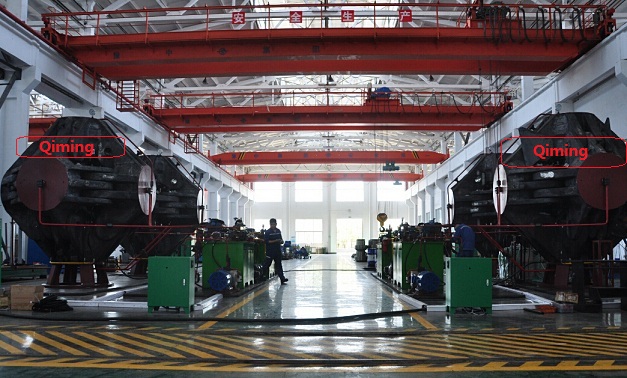
A useful way to understand the two properties is to consider the balance between softness and strength. Pyrophyllite’s layers slide readily under pressure, allowing the material to deform and transmit pressure. However, the material must also resist being squeezed out at the boundary between the anvils and the pressure chamber. If it flows too easily, the sealing edge may lose its shape and supporting force. Conversely, if the material is too hard to deform, it may not conform to gaps effectively. The material therefore needs a suitable balance of deformability, strength, and elastic recovery. This explanation is an interpretation of the reported structure–property relationship, not a quantitative model presented in the uploaded paper.Elastic recovery during decompression also matters. A later study found that pressure-transmitting efficiency and sealing performance do not necessarily rise or fall together. For example, Pyrophyllite 4 transmitted pressure efficiently at high pressure but was prone to sealing failure during decompression after high-pressure treatment. Pyrophyllite 2 had somewhat lower pressure-transmitting efficiency at high pressure, yet retained better elastic recovery and sealing performance. Thus, a material should be evaluated not only by how much loading force is needed to reach a given pressure, but also by whether it can decompress safely and reliably.Common approaches to adjusting performance include:Controlling mineral composition. The uploaded paper reports that, in its samples, the combined content of layered impurities could be up to 10% without affecting pressure transmission and sealing, while non-layered impurities such as feldspar and quartz should be kept low; above 5%, they impaired flow and deformation. Small amounts of iron- and titanium-bearing minerals may improve sealing. These findings should be verified for the specific ore and equipment rather than treated as universal formulation limits.Grinding, blending, and pressing. A review notes that using natural pyrophyllite blocks directly can lead to variation in product performance. Grinding the ore and pressing it into the required shape can reduce the effects of uneven mineral distribution.Controlling heat treatment. The review links pyrophyllite’s water content to its deformation behaviour. It reports that prolonged heating above 500°C can drive off bound water, so heating conditions need to be controlled. The optimum temperature may differ by source and should not be assumed to be the same for all pyrophyllite.Using composite media. Pyrophyllite–dolomite composite structures are commonly used to combine material properties and adjust thermal, pressure-transmitting, and sealing conditions. Their performance depends on the specific design and operating conditions; one component should not be assumed to simply replace the other.The review also describes pyrophyllite as serving several roles, including pressure transmission, sealing, insulation, and support. Because these requirements affect the stability of the synthesis chamber together, the material should be assessed across the full compression and decompression cycle—not by a single measurement alone.
read more+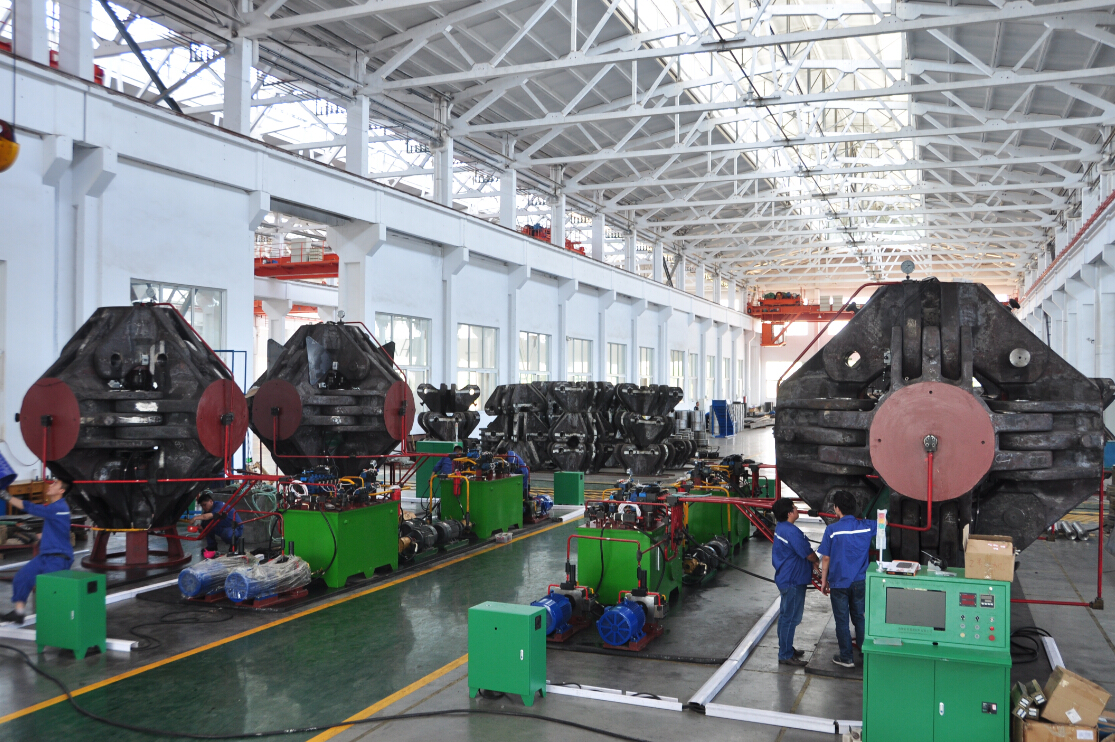
Diamond synthesized using iron-carbon compounds shares remarkable similarities with that produced using conventional catalysts (such as NiMnCo alloys) in terms of microscopic morphology, but also exhibits key structural differences:1. Similarities: Similar Encapsulating Metal Film/Ring ZoneEncapsulating Structure: When synthesizing diamond with conventional NiMnCo catalysts, a metal film several micrometers thick usually encapsulates the diamond particles. Similarly, an extremely resembling iron-rich annular zone forms around diamond particles synthesized from iron-carbon compounds. After acid etching, the iron-rich ring dissolves, leaving a distinct concave annular band.2. Differences: Outer Ring Composition and Phase Transformation PathwayDifferent Outer Ring Compositions:Conventional Catalysts: The outer side of the encapsulating metal film is typically graphite (or recrystallized graphite).Iron-Carbon Compounds: The outer side of the iron-rich annular zone is a carbon-rich annular zone, which resists acid etching and stands out distinctly under a scanning electron microscope (SEM).Different Carbon Source States and Phase Transformation Paths:Conventional Catalysts: The system uses external solid graphite as the carbon source. Graphite dissolves in and diffuses through the molten metal film before transforming into diamond.Iron-Carbon Compounds: The raw material contains no free graphite; the iron-carbon compound serves as both carbon source and catalyst. Under HPHT conditions, supersaturated carbon is released and directly aggregates to form diamond while generating a localized carbon-rich melt around it. Upon cooling, segregation occurs: part of the carbon continues growing onto the diamond, while another portion precipitates ring-wise on the outer perimeter of the iron-rich ring zone, forming the carbon-rich ring zone.3. Insights of Micro-Morphological Comparisons into Growth MechanismsPreviously, there was debate regarding the origin of "recrystallized graphite" on the outer side of the metal film in conventional catalysts: one view held that it transformed from the outer graphite under HPHT conditions, while another suggested it precipitated from dissolved carbon in the catalyst during cooling.In the iron-carbon compound experiment with no external graphite involved, the presence of the outer carbon-rich ring zone can only be explained as precipitation from the localized carbon-rich melt during cooling. Therefore, by comparing their microscopic morphologies, researchers proposed that "recrystallized graphite forms during the cooling process of the metal film," shedding light on the cooling phase transformation mechanism in diamond synthesis.
read more+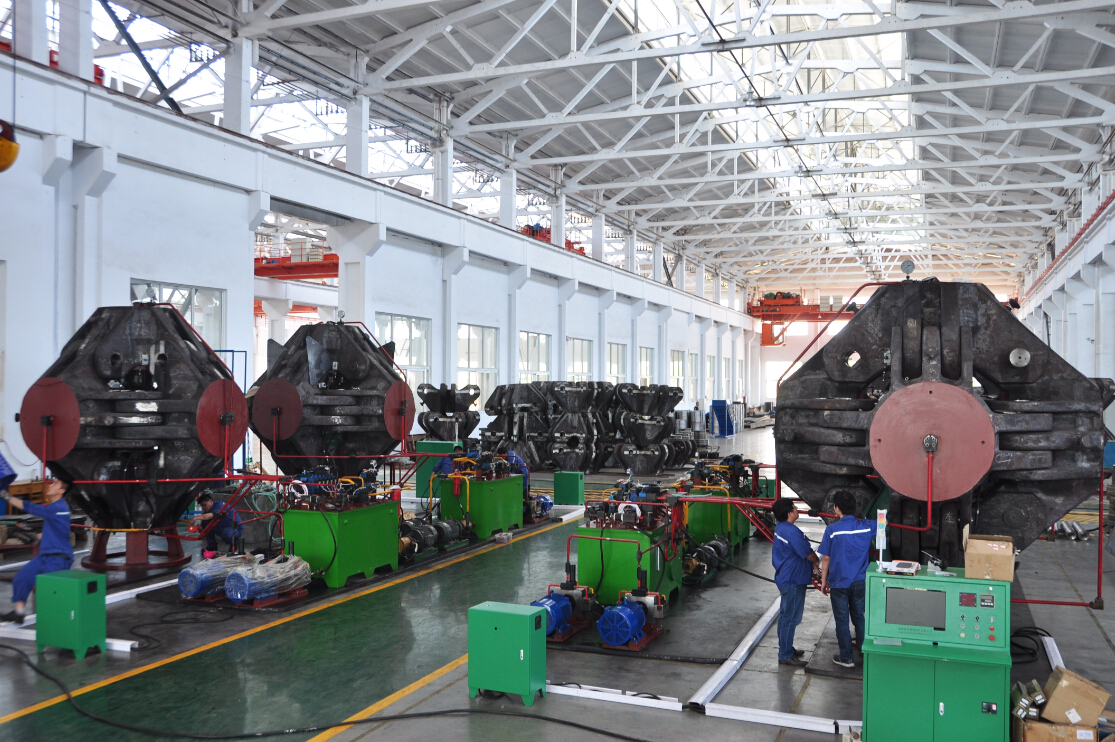
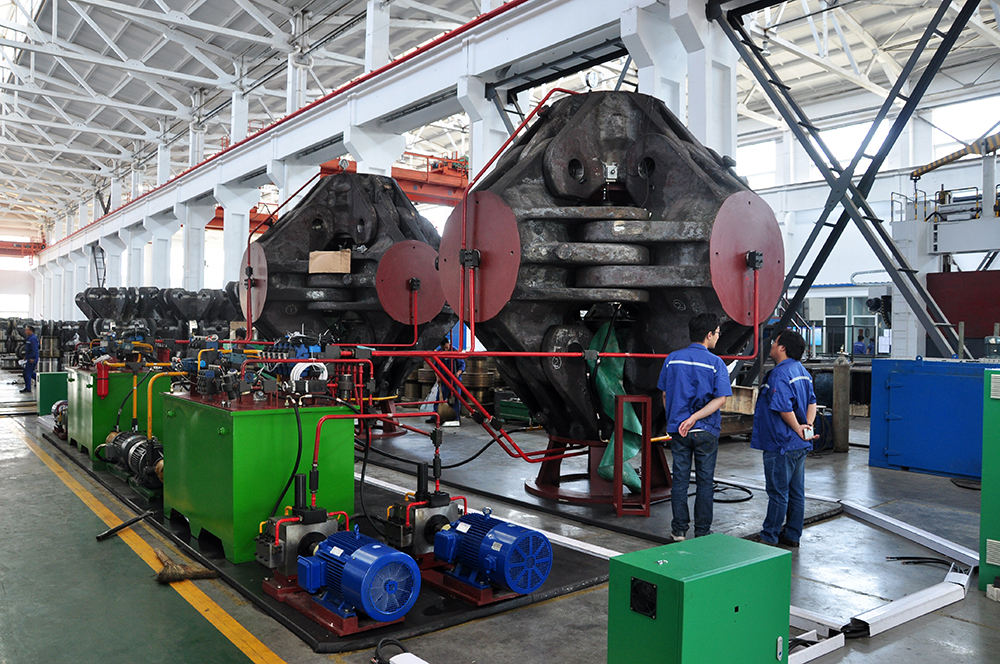
The process of synthesizing diamond using iron-carbon compounds under high pressure and high temperature (HPHT) mainly consists of three core steps: preparation of iron-carbon compounds, HPHT assembly & synthesis, and growth and phase transformation mechanisms:1. Preparation of Iron-Carbon CompoundsMelting and Mixing Raw Materials: Industrial pure iron (Fe >97) and graphite (ge >98%) are mixed in a specific proportion, melted in a medium-frequency induction furnace, and stirred thoroughly until homogeneous.Rapid Quenching to Suppress Graphite Precipitation: To prevent graphite from precipitating during cooling, a high-pressure water jet atomizes the molten iron into fine droplets, which are rapidly cooled in a water bath.Powder Preparation: After drying and rust removal, the mixture is pulverized into iron-carbon compound powders of 80–100 mesh. The carbon content of the specimen reaches 13.0 wt% (41.1 at%). Its microstructure consists mainly of various iron-carbon compounds and martensite supersaturated with carbon, containing no free graphite whatsoever.2. HPHT Assembly and Synthesis ConditionsDiffusion-Barrier Assembly: The iron-carbon compound powder is placed in the center of the high-pressure synthesis cell, isolated from the surrounding graphite by titanium (Ti) foils at both ends. Since titanium has a high melting point and does not melt under high pressure, it effectively blocks the diffusion of external graphite, ensuring that the carbon source for diamond synthesis is supplied entirely by the iron-carbon compound itself.Process Parameters (using a domestic cubic press, model KY-7200):Synthesis Pressure: 5.5 GPaSynthesis Temperature: 1620 KHolding Time: 8 min3. Synthesis Results and Decomposition/Growth MechanismSynthesized Product: Under HPHT conditions, the iron-carbon compound acts as both the carbon source and the catalyst, successfully synthesizing single-crystal diamond particles with grain sizes of 5–100 μm.Precipitation and Growth Mechanism: At 5.5 GPa and 1620 K, the system operates within the thermodynamic stability region of diamond. The iron-carbon compound decomposes, releasing supersaturated carbon atoms that preferentially aggregate into stable diamond microcrystals, which grow as holding time increases.Microscopic Morphology Features: A localized carbon-rich melt forms on the outer surface of the diamond particles. Upon cooling, a residual iron-rich annular zone is left between the diamond and the surrounding carbon-rich ring zone. This phenomenon closely resembles the encapsulating film found in conventional transition-metal catalyst diamond synthesis, preliminarily validating the feasibility of the TFDC (Cheng's Theory) concept of synthesizing large-grained diamonds without free graphite.
read more+
According to research, the nickel coating weight rate significantly influences both the surface morphology and compressive strength of synthetic diamonds:1. Effect on Surface Morphology: Roughness Increases with Weight RateMorphology Trend: Unplated diamond surfaces are smooth with sharp edges. After nickel plating, the surface turns dark black, with a dense, uniform coating and no bare spots. As the coating weight rate increases, the surface roughness of the diamond increases accordingly.Mechanism Analysis: During electroplating, the cathode area (exposed diamond surface) is small relative to the large anode plate. As plating time lengthens and the weight rate increases, the dissolution of the anode generates a high concentration of main salt, which is the primary cause of coating surface roughening.Heat Treatment Effect: Heat treatment at 400 °C does not noticeably alter the surface morphology of the coating.2. Effect on Compressive Strength: Compressive Strength Increases Substantially with Weight RateStrength Trend: Electroplating nickel significantly improves the average single-particle compressive strength, and the average compressive strength increases continuously as the coating weight rate increases.Experimental Data Comparison (Single-Particle Average Compressive Strength):Unplated (0% weight rate): 13.975 N (13.5 N after 400 °C heat treatment)20% weight rate: 26.8 N (27.15 N after heat treatment)30% weight rate: 28.2 N (29.25 N after heat treatment)40% weight rate: 28.825 N (33.3 N after heat treatment)50% weight rate: 32.15 N (34.375 N after heat treatment)60% weight rate: 33.95 N (36.725 N after heat treatment)Strengthening Mechanism: Synthetic diamond surfaces naturally contain micro-flaws such as micro-cracks and pores. The nickel coating fills, smooths, and encapsulates these surface flaws, significantly reducing stress concentration under loading. A higher weight rate provides fuller encapsulation and superior flaw healing, leading to greater strength enhancement.Secondary Strengthening via Heat Treatment: Heat treatment at 400 °C for 30 min eliminates adsorbed hydrogen atoms in the coating, reduces compressive stress and relaxation forces, and homogenizes the coating microstructure, yielding a slight additional increase in compressive strength beyond electroplating alone.
read more+
The core driving force behind powder synthesis technology replacing traditional slice synthesis technology lies in its comprehensive superiority in conversion efficiency, resource conservation, production cost, and product quality:Significantly Increased Diamond Yield and Quality Grade (High Conversion Efficiency)Traditional slice synthesis was limited by the contact interface between catalyst sheets and graphite sheets, resulting in low conversion rates and high production costs. In powder synthesis, the catalyst alloy powder and graphite powder are mixed uniformly, vastly increasing the microscopic contact area. This greatly enhances catalytic efficiency, resulting in a dramatic increase in both yield per unit volume and quality grade of the synthetic diamonds.Substantial Savings in Strategic Metals and Raw Material Consumption Savings in Nickel Resources: Compared with slice synthesis, the powder method saves up to two-thirds of metallic nickel usage, drastically reducing the consumption of strategic materials. If adopted industry-wide, catalyst consumption could drop from ~3,000 tons in the slice era to ~1,200 tons.Reduced Graphite Loss: Graphite raw material loss is reduced by over 20%.Driving Industrial Upgrading and International CompetitivenessHigh-grade synthetic diamonds produced via the powder method elevated the overall manufacturing standard of diamond tools in China, which not only replaced imported products but also achieved large-scale exports to generate foreign exchange.Key Technological Breakthroughs Lowered Application CostsInitially, powder technology relied on imported catalyst powders (~180,000 RMB/ton) and imported graphite powders (>200,000 RMB/ton), keeping costs high. Domestic breakthroughs in water-atomized catalyst preparation, vacuum deoxidation/reduction treatment for synthesis columns, and the localization of high-purity graphite powder significantly lowered material and process costs, establishing a solid foundation for large-scale industrial substitution.
read more+
The properties of synthetic diamond particles include particle size and size distribution, crystal morphology, impurity and inclusion content, mechanical strength (compressive strength and impact strength), and thermal stability. These properties are interconnected and together dictate the cutting/grinding efficiency, mechanical wear resistance, and ultimate service life of diamond tools.The specific mechanisms by which each grain property determines tool performance are as follows:1. Particle Size and Size DistributionCutting Force and Tool Life: In grinding processes, smaller particle sizes result in lower average cutting forces on individual grains, which helps reduce particle breakage rates and extends tool service life.Cutting Rate and Usage Efficiency: Smaller abrasive particles reduce particle protrusion height (protrusion height determines cutting efficiency), leading to slower cutting rates and increased power consumption. Therefore, tool manufacturing must select the optimal particle size based on actual operating conditions to strike a balance between cutting rate and grain strength.Uniformity of Size Distribution: Even for the same grade, abrasives with a more uniform particle size distribution exhibit superior overall mechanical performance and load-bearing stability, providing more consistent machining performance.2. Crystal Morphology (Geometric Regularity and Surface Quality)Meaning of Morphology Parameters: Parameters such as elongation, roughness, ellipticity, crystallinity, and roundness reflect the geometric features of the grains. The closer a parameter is to 1, the closer the grain shape is to a sphere or regular cube, with more complete crystal faces and smoother surfaces.Direct Contribution to Strength: Regular crystal morphology and smooth surfaces significantly enhance a grain's resistance to fracture under external forces. For instance, abrasives with smooth surfaces show a 43% higher compressive strength than rough ones, and spherical abrasives are 20% stronger than needle-like ones. Grains with superior morphology are less prone to premature shattering during cutting or grinding, providing durable and stable mechanical support for the tool.3. Impurities and Metallic Inclusions (Magnetic Content)Detriment to Mechanical Strength: Metallic inclusions and other impurities entrapped during synthetic diamond synthesis (characterized by magnetic content) serve as internal structural defect sites. Lower magnetic content corresponds to higher compressive strength, impact strength, and thermal shock resistance in diamonds.Impact on Thermal Stability and Tool Durability: During tool sintering or high-speed machining where high temperatures are generated, mismatched thermal expansion between metallic inclusions and diamond induces internal stress concentration or cleaving fractures. Abrasives with low impurity levels possess better resistance to thermal damage.4. Mechanical Strength (Compressive Strength and Impact Strength)Resistance to Shattering Under Static and Dynamic Loads: Compressive strength (static strength) represents the maximum static load a single diamond grain can sustain before crushing, while impact strength reflects the grain's ability to resist fragmentation under dynamic impact loading. High-strength grains can withstand heavy cutting, grinding, and polishing conditions, preventing premature crushing and directly guaranteeing tool wear resistance.5. Thermal Stability (Thermal Toughness Index - TTI)Performance Retention Under High Temperatures: Diamond tools undergo high-temperature environments during manufacturing sintering and friction during cutting (e.g., heating at 1100°C for 15 minutes reduces abrasive impact strength by 25%–35%).Core Longevity Indicator: Thermal stability (impact strength after high-temperature treatment, or TTI) determines the diamond's capability to maintain high strength under harsh machining conditions and is a critical metric governing the actual working performance and service life of diamond tools.
read more+
Adding trace amounts of rare earth elements (such as cerium, Ce and lanthanum, La) into the metal matrix of diamond tools enhances their mechanical and overall performance through the following primary mechanisms:Purifying the matrix alloy interface: The rare earth element Ce can remove impurities such as O, S, and N, and suppress their segregation at the interface, thereby effectively purifying the matrix alloy interface.Lowering melting points and improving wettability: Ce can lower the melting point of copper (Cu)-based alloys and significantly reduce the contact/wetting angle of liquid copper alloy on diamond, improving the wetting state between the two materials.Refining grain structure: The addition of rare earth elements functions to refine the microstructure grains, which directly improves the mechanical properties and durability of diamond tools.Enhancing interfacial bonding: Rare earth La, for example, significantly improves the bonding performance between diamond and the metal matrix, elevating the overall bond strength and operational performance of the tool.
read more+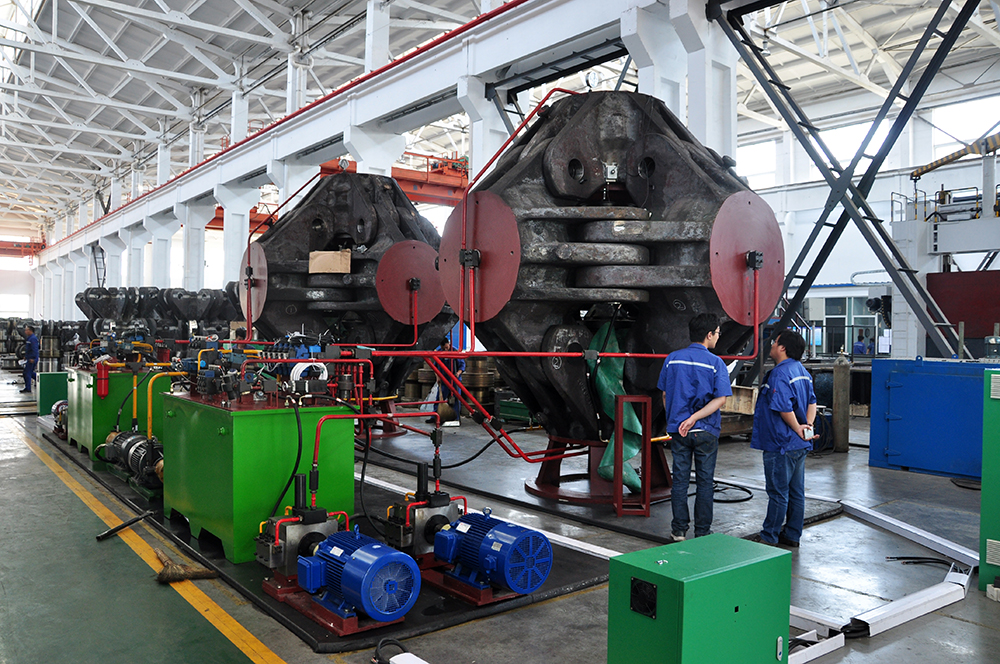
DDifferent types of catalysts exert a profound influence on the HPHT synthesis of diamond, as evidenced by various theoretical models and experimental findings:1. Transition Metals (Fe, Co, Ni, Mn, Cr) – Dual Catalytic & Solvent RolesTransition metals are the most widely used catalysts in diamond synthesis due to their unique electronic configurations:Electronic Structure Effects: These metals possess unfilled d-electron shells. They can temporarily capture electrons from carbon atoms to form interstitial solidsolutions and intermediate phases, thereby acting as effective "solvents" that dissolve and activate carbon into sp3 states.Lowering Activation Energy: The unfilled d-orbitals allow these catalysts to significantly lower the activation energy required for the graphite-to-diamond phase transition, enabling the reaction to occur under far more accessible HPHT conditions.2. Unique Effects of Nickel (Ni) Catalyst:Supersaturation-Driven Growth: At 5.5 GPa and 1460°C, the solubility ratio of graphite to diamond in molten nickel is 1.047. When graphite reaches saturation, the solution automatically achieves a 4.7% supersaturation relative to diamond, providing the fundamental thermodynamic driving force for rapid diamond crystallization.Lattice Matching and Structural Induction: The close-packed {111} planes of nickel match exceptionally well with the graphite net planes and diamond {111} planes. This geometric alignment attracts the 2Pz electrons of graphite, causing the hexagonal planes to wrinkle and align directly into the diamond cubic lattice.Coordination Covalent Catalysis (MCCM Model): Molten Ni atoms in a d2 valence state can form d2sp3 hybridized octahedral non-localized covalent bonds with surrounding carbon atoms. This specific bonding forces graphite's C6 layers to wrinkle into sp3-hybridized double-layers, after which the metal atoms dissociate.3. Crystal Defects Left by Cobalt (Co) and Nickel (Ni)Carbide Inclusions: Structural analysis of diamonds synthesized using Co and Ni catalysts reveals metastable Co or Ni carbide inclusions as dominant internal defects. These interstitial metal atoms are trapped in the octahedral vacancies of the growing diamond crystal, physically verifying that the transition metals actively participate in both the dissolving and catalytic crystallization stages of growth.4. Limitations of Non-Transition Metals (e.g., Cu, Pb)Solvent without Catalysis: While metals like copper (Cu) and lead (Pb) can dissolve carbon at high temperatures, they lack the unfilled $d$-electron shells necessary to catalyze and excite the graphite structure into a tetrahedral configuration. Consequently, they cannot synthesize diamond under HPHT. This limitation strongly refutes the pure "solvent theory" and proves that an effective catalyst must possess both solvent capabilities and catalytic activation properties.
read more+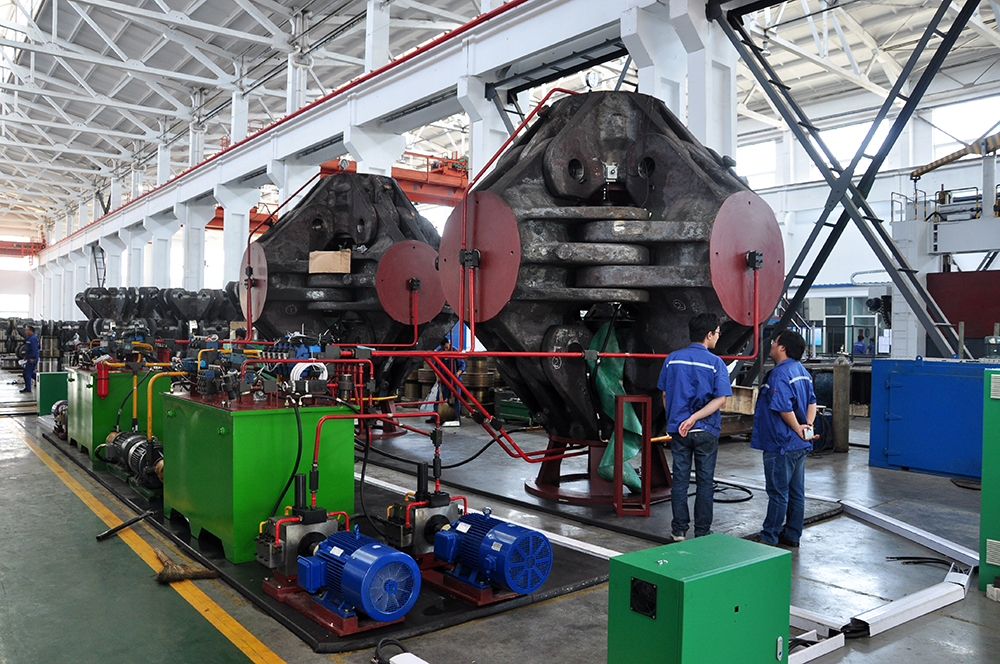
Synthesizing synthetic diamonds imposes extremely demanding physical, process, and control reliability requirements on the pressure measurement and control system. Any failure or malfunction in the system can lead to severe physical destruction, catastrophic equipment damage, and heavy economic losses.Strict Requirements for Pressure Measurement and Control ReliabilityMaintaining Ultra-High Temperature and Pressure Thermodynamic Boundaries: Synthetic diamond synthesis (HPHT method) relies on graphite transforming in the presence of catalysts under extreme conditions of approximately $2000^\circ\text{C}$ and hydraulic pressures up to $100\text{ MPa}$ (with actual chamber pressures exceeding $5\text{ to }6\text{ GPa}$). The system must ensure that the entire reaction remains strictly within the "diamond stable zone" of the carbon phase diagram; any pressure fluctuations will deviate from the crystal growth window.Precision in Multi-Stage Gradient Pressurization and Command Dispatch: The synthesis process in a cubic press involves critical transition nodes across multiple stages, including pre-pressing, pressurization, high-pressure holding, and gradual decompression (such as the 7 command dispatch points configured in the system). The control system must guarantee zero drift and zero misjudgment at each set pressure threshold to maintain synchronized hydraulic valve switching and command execution.Immunity to Strong Electromagnetic and Industrial Noise Interference: Synthesis plants operate continuously for extended periods, where strong surge currents and severe electromagnetic noise are generated by high-power heating power supplies, frequently cycling high-pressure hydraulic solenoid valves, and motor startups. The measuring instrument must possess robust anti-interference redundancy to prevent program crashes or runaway code execution.Severe Consequences of System Malfunctions or False OperationsDecompression in Molten State and Explosive Blowouts: When the metal catalyst and carbon source inside the synthesis capsule are in a high-pressure, high-temperature molten eutectic state, any false pressure-relief command triggered by heavy interference will cause a sudden chamber pressure drop. This triggers an instantaneous volumetric expansion of the molten material, resulting in a violent blowout/explosion that destroys the tungsten carbide anvils, shatters the press frame, and severely endangers personnel safety.Failure of Overtravel Protection and Anvil Fractures: If the pressure feedback fails, reads falsely low, or fails to trigger overtravel protection, the hydraulic system will continue to apply excessive stroke and over-limit tonnage. This can cause direct collision interference and catastrophic stress-induced fracturing of the expensive cemented carbide anvils.Batch Crystal Defects and Material Scrapping: Fluctuations or delays in pressure control disrupt the nucleation rate and step-growth of the diamond crystals, causing heavy metal inclusions, polycrystallinity, structural cracking, or graphitization reversal, leading to the complete loss of costly raw materials and high-energy-consuming operating cycles.
read more+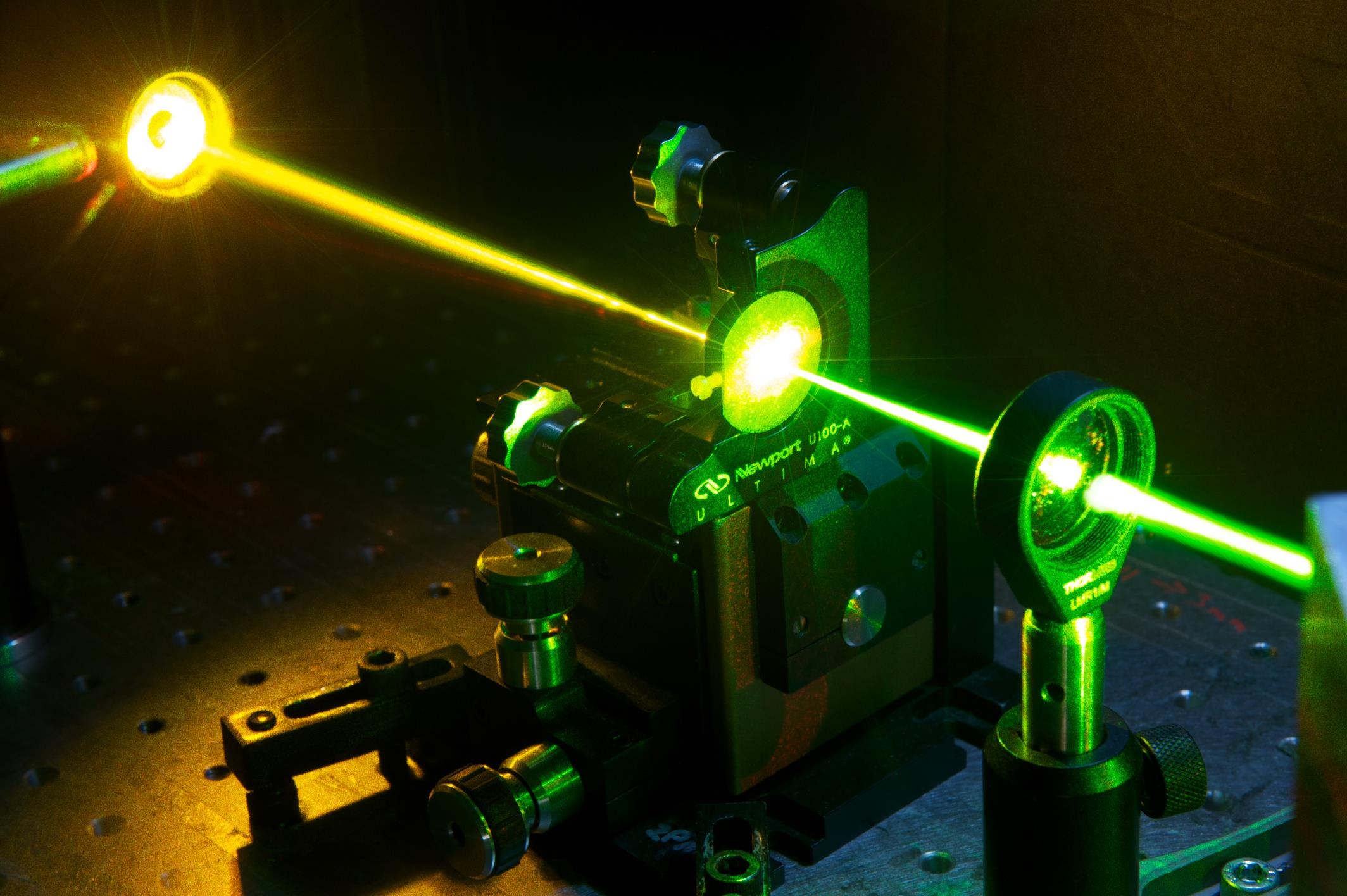
Diamond film thickness plays a decisive role in thermal dissipation performance, primarily by dictating the transition of the heat conduction mechanism and directly lowering the operating surface temperature of heat-generating devices:1.Transition from "Point Dissipation" to "Area-Plane Dissipation"The heat dissipation of diamond thin films is characterized by lateral diffusion, known as area-plane heat dissipation.When the film is thin, it cannot dissipate heat effectively in a plane-like manner, exhibiting only the point heat dissipation mechanism of conventional materials. Thus, the ultra-high thermal conductivity of diamond is not fully utilized.As the film thickness increases, the area-plane heat dissipation mechanism becomes increasingly pronounced and eventually stabilizes, leading to a dramatic improvement in overall thermal performance.2.Significantly Reducing Device Operating TemperaturesIn experimental tests where LED heating units were packaged on the diamond films and operated under identical electrical power, a greater film thickness led to a significantly lower LED surface temperature after 5 minutes of operation.With other deposition parameters held constant, thicker films allow heat to be spread and dissipated rapidly through the area-plane mechanism, minimizing temperature rise.3.Practical Implications for Manufacturing EfficiencyBecause a minimum thickness is required to establish stable and efficient area-plane dissipation, obtaining a sufficiently thick film is a prerequisite for fabricating qualified heat spreaders.Optimizing process parameters (like increasing microwave power or raising substrate temperature) to enhance the growth rate is aimed at reaching the required thickness for area-plane dissipation in a shorter time, thereby boosting production efficiency.
read more+
Colored artificial diamonds—especially the NV (nitrogen-vacancy) centers and SiV (silicon-vacancy) centers within them—do not just give crystals beautiful colors. Because their fluorescence emission features high monochromacy, photostability, and room-temperature operability, combined with diamond's excellent biocompatibility and chemical inertness, they exhibit indispensable and unique value in the field of quantum technology.Their core applications are mainly concentrated in two major directions: Quantum Sensing (Precision Measurement) and Quantum Computing & Quantum Communication.1. Quantum Sensing (Nanoscale Precision Measurement)The ground state of the NV center's electron spin in diamond is a spin-triplet state, which is extremely sensitive to external physical field perturbations such as magnetic fields, electric fields, temperature, and pressure. Furthermore, its quantum state can be initialized and read out through optical methods, making it an excellent "atomic-scale sensor."Highly Sensitive Magnetometers and Magnetic Field Imaging: Researchers have realized nanoscale magnetometers based on single NV centers, enabling high-precision magnetic field imaging under room temperature and extreme environments.Biological and Neural Sensing (Non-invasive Detection): Utilizing NV quantum defects in diamond, scientists have achieved non-invasive, high spatio-temporal resolution detection of action potential magnetic fields in single neurons. This label-free and highly biocompatible technique provides a brand-new tool for studying neural conduction in complex physiological environments.Single-Photon Source Preparation: High-purity and high-yield single-photon emitters can be produced using NV centers prepared efficiently in nanodiamonds through high-energy particle (such as proton) irradiation, offering a feasible pathway for nanoscale quantum sensing and biological imaging.Breaking the Standard Quantum Limit: Utilizing multi-spin entangled states in diamond NV defects, scientists have successfully achieved phase measurement sensitivity that surpasses the standard quantum limit at room temperature.Entanglement-Enhanced Single-Spin Detection: By preparing NV center pairs with a spacing of only 5 nm and constructing quantum entangled states, the contradiction between signal amplification and noise interference was successfully resolved, achieving entanglement-enhanced nanoscale single-spin detection in noisy environments for the first time.Coherence Enhancement: Constructing a diamond-graphene heterojunction hybrid structure can increase the coherence time of NV centers by approximately two-fold, significantly enhancing the quantum coherence characteristics of nanoscale sensors.2. Quantum Computing and Quantum Communication (Solid-State Quantum Information Processing)Diamond color centers are among the core candidate systems for achieving scalable solid-state quantum computing. Their biggest advantage is the ability to operate at room temperature and possess millisecond-scale electron spin coherence times, providing a sufficient window for quantum logic operations.Long-Distance Quantum Entanglement and "Quantum Teleportation": Scientists have successfully achieved quantum entanglement between two NV centers separated by more than 1.3 km, validating key components of quantum relays and quantum teleportation. This lays the foundation for developing modular quantum computing architectures connected by photons.Quantum Repeaters: Based on SiV centers in nanophotonic diamond resonant cavities, an asynchronous Bell-state measurement based on quantum storage was experimentally demonstrated. Its key generation rate surpassed the ideal direct transmission limit, verifying core functions for quantum repeaters.Micro-Nano Integrated Spin Manipulation: A hybrid structure of "tapered fiber-nanowire-electrode" was developed to achieve spatially selective, high-precision microwave manipulation of spin defects in diamond, opening up new pathways for developing compact, miniaturized solid-state quantum processors and sensors.
read more+The intersection of Jingjin Road and Wei Yi Road, Luoxin Park, Economic and Technological Development Zone, Xin'an County, Luoyang City, Henan Province, China
+86 0379-6068-6876 |